#Road2Reading Challenge: Animal Planet Chapter Books

I have had these books in my "TBR" pile for awhile and after reading through them decided that they fit better for the #Road2Reading Challenge than my nonfiction challenge. So here goes....

Puppy Rescue Riddle (Animal Planet Adventure Chapter Book #3) by Catherine Nichols (Time Inc., September 5, 2017)

Zoo Camp Puzzle (Animal Planet Adventure Chapter Book #4) by Gail Herman (Time Inc., September 5, 2017)

My thoughts on the Adventure books
Though Animal Planet/Time Inc. have labeled their Adventure Chapter Books "nonfiction", I like to refer to these books as a blend of fiction and nonfiction.  Each book is approximately 112 pages with about ten pages and geared for a high second grade to third grade reading and interest level. The books contain a story (the fiction part of the book) which is separated from the nonfiction portion of the book by the use of illustrations. The books do intersperse related nonfiction text and text features such as photographs, labels, facts, lists and more throughout the book. There is a lot going on with these chapter books and some children may select to read the story and then go back through the nonfiction pages separately. Others may choose to look at all of the nonfiction text and features and then dive into the story. Either way, the book offers something for all young readers. 

Bugs! Amazing Animal Facts (Book #3) by James Buckley (Time Inc., June 13, 2017) 

Quick thought on the Amazing Animal Facts Books:
Bugs! is similar in size, length of pages, and chapters as the Adventure series. However, the books are full of fabulous facts and photographs and more. Whereas, the adventure books above may be more accessible for slightly younger readers, the expository text in the animal facts series is a bit denser and can skew upward in reading difficulty allowing the age span to range from third to fifth grade. 

Look for these and other titles at your local indie bookstore or community library. 

All journeys have a starting place.
This is a weekly place to find books and tools
that you may use with readers at the start of their reading journey.
Join in the conversation at #road2reading.

Each week, Michele Knott and I post about new early readers and transitional chapter books. 

Nonfiction Picture Book Challenge Celebrates Books for Ada Lovelace Day!

Today I am turning over my nonfiction picture book challenge to Carolyn G. Thanks Carolyn for stepping in with a fabulous guest post on Ada Lovelace. 

As part of a project for my Literature for Children and Adolescents class earlier this year, I designed a flexible, interdisciplinary picture book–based curriculum focusing on Ada Lovelace. Since today is Ada Lovelace Day, I thought I would share the books I picked out, as well as my corresponding curriculum/activity suggestions. Whether or not you're an educator, I think that these books all offer a fascinating look into the life of one of the most brilliant mathematicians of all time, as well as a valuable, important, and timely lesson about the place for women in STEM.


For those of you unfamiliar with Ada Lovelace, Ada was the daughter of Lord Byron (yes, the famous poet) and Anne Isabelle Milbanke. After her father left her family, her mother implemented a strict, mathematical-based curriculum in Ada's education (in hopes of preventing any creative tendencies from emerging, since her mother feared, as in the case of Ada's father, that creativity would only lead to strife and heartbreak). Using a creative approach to mathematics (and thus synthesizing her parents' talents), Ada became one of the most important mathematicians of all time. Teaming up with the inventor Charles Babbage, the two actually created the blueprints and code for the first computer—in the Victorian era (c. 1837). Tragically, the team could never find enough investors to actually build their 'Thinking Machine,' as they termed it, and Ada died in childbirth when she was only 36 years old. The first computer wouldn't be built until the 1940s (over a century later).

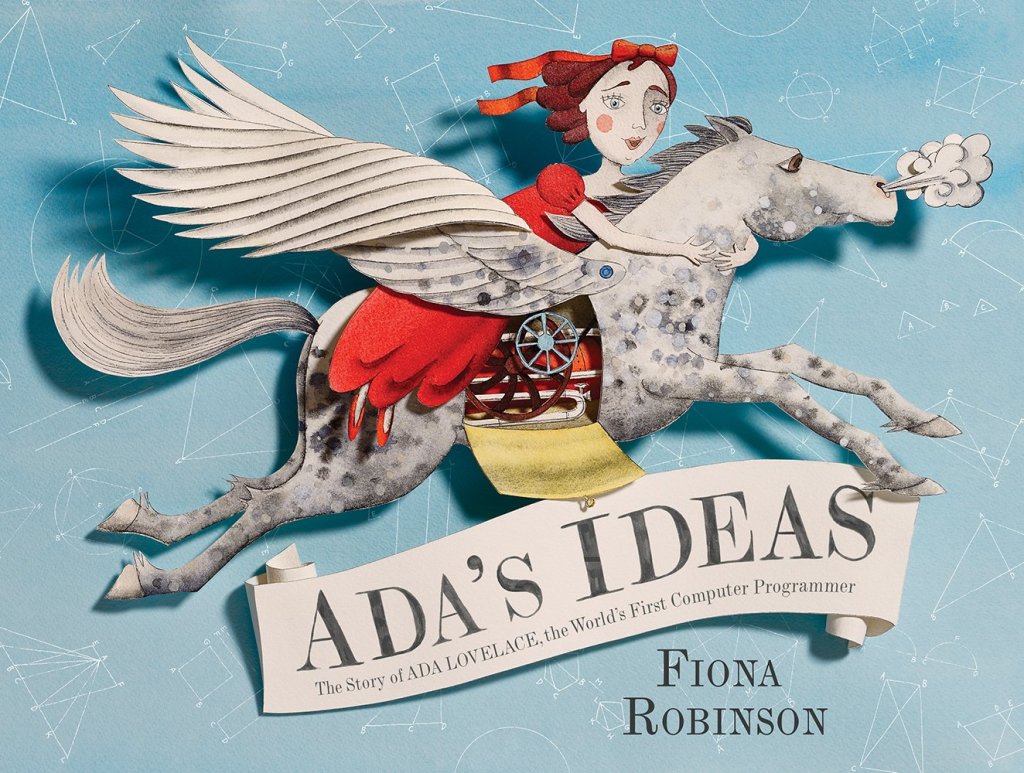
Ada's Ideas: The Story of Ada Lovelace, the World's First Computer Programmer
by Fiona Robinson
Picture book (nonfiction)
Harry N. Abrams (August 2, 2016)
IndieBound | WorldCat

Though I also adore the other biographical picture books about Ada Lovelace listed, Ada's Ideas is my favorite. The book presents enough biographical material to keep the reader informed, while doing a beautiful and creative job visually expressing, well, Ada's ideas and the way she saw the world of mathematics. The art is also gorgeous—all the illustrations are made by watercolored components that were individually cut, arranged, and photographed.

Ada Lovelace, Poet of Science
by Diane Stanley
illustrated by Jessie Hartland
Picture book (nonfiction)
Simon & Schuster/Paula Wiseman Books (February 2, 2016)
IndieBound | WorldCat

Ada Lovelace, Poet of Science presents a straightforward and depiction of Ada Lovelace's life alongside charming illustrations. Something that I appreciated about this book is that it chose to explicitly link Ada's discoveries to our modern technology, which serves to underscore just how critical Ada Lovelace was in the development of technology.

Ada Byron Lovelace and the Thinking Machine
by Laurie Wallmark
illustrated by April Chu
Picture book (nonfiction)
Creston Books (October 13, 2015)
IndieBound | WorldCat

This book is probably the one that reads the most as an upfront biography, though it still entertains as it informs. Ada Byron Lovelace and the Thinking Machine delves more into Ada's relationship with Charles Babbage and their resulting plan for their 'Thinking Machine' (hence the title). Overall, this book provides the most details about Ada's life and her work (whereas the other books tend to include only information relevant to the story, and focus more on the narrative itself). 

Ada Twist, Scientist
by Andrea Beaty
illustrated by David Roberts
Picture book (fiction)
Harry N. Abrams (September 6, 2016)
IndieBound | WorldCat

While the other picture books were all nonfiction, Ada Twist, Scientist is fiction loosely inspired by Ada Lovelace (namely, by naming the main character after Ada Lovelace). Continuing the Rosie Revere, Engineer series (whose titular character is inspired by/named after Rosie the Riveter), Ada Twist, Scientist follows a young, curious girl who decides to investigate and empirically derive the source of a mysterious smell in her house—as any young, self-respecting young scientist would do. Showcasing modern examples of little girls who want to be scientists is a great way to take Ada Lovelace's precedent as a woman in science out of the past and continue her legacy. Paired with any of the previously mentioned Ada Lovelace specific picture books, Ada Twist, Scientist is a fun way to show that science is for everyone.

The Case of the Missing Moonstone (Wollstonecraft Detective Agency #1)
by Jordan Stratford
illustrated by Kelly Murphy
Middle grade fiction
Knopf Books for Young Readers (January 6, 2015)
IndieBound | WorldCat

The Case of the Missing Moonstone is a delightful and enchanting work of pure speculative fiction that imagines a (very fictional) friendship between a young Ada Lovelace and a young Mary Wollstonecraft Godwin (who would go on to become Mary Shelley, the author of Frankenstein). While historical accuracy may not be the main point of the novel, it certainly takes these two important literary and scientific figures off the shelf of history and into the realm of relatability. The rest of the Wollstonecraft Detective Agency series seems to be just as wonderful as their predecessor, though I haven't yet had a chance to read them all.

Headstrong: 52 Women Who Changed Science and the World
by Rachel Swaby
Nonfiction
Broadway Books (April 7, 2015)
IndieBound | WorldCat

Anytime anyone asks me about examples of women in STEM, I always throw out the names of Ada Lovelace, Heady Lamarr, Marie Curie—and then I tell them to read this book. Broken up into short chapters, each profiling an important woman in STEM (grouped by their fields of study), this is the perfect resource to discover the (often unrecognized) women who revolutionized math and the sciences. Each chapter in Headstrong is written in an engaging yet informational style, so it's accessible to a wide variety of reading levels and age-ranges.

The Thrilling Adventures of Lovelace and Babbage
by Sidney Padua
Graphic Novel—Fantasy/Speculative HIstorical fiction
Pantheon Graphic Novels (April 21, 2015)
IndieBound | WorldCat

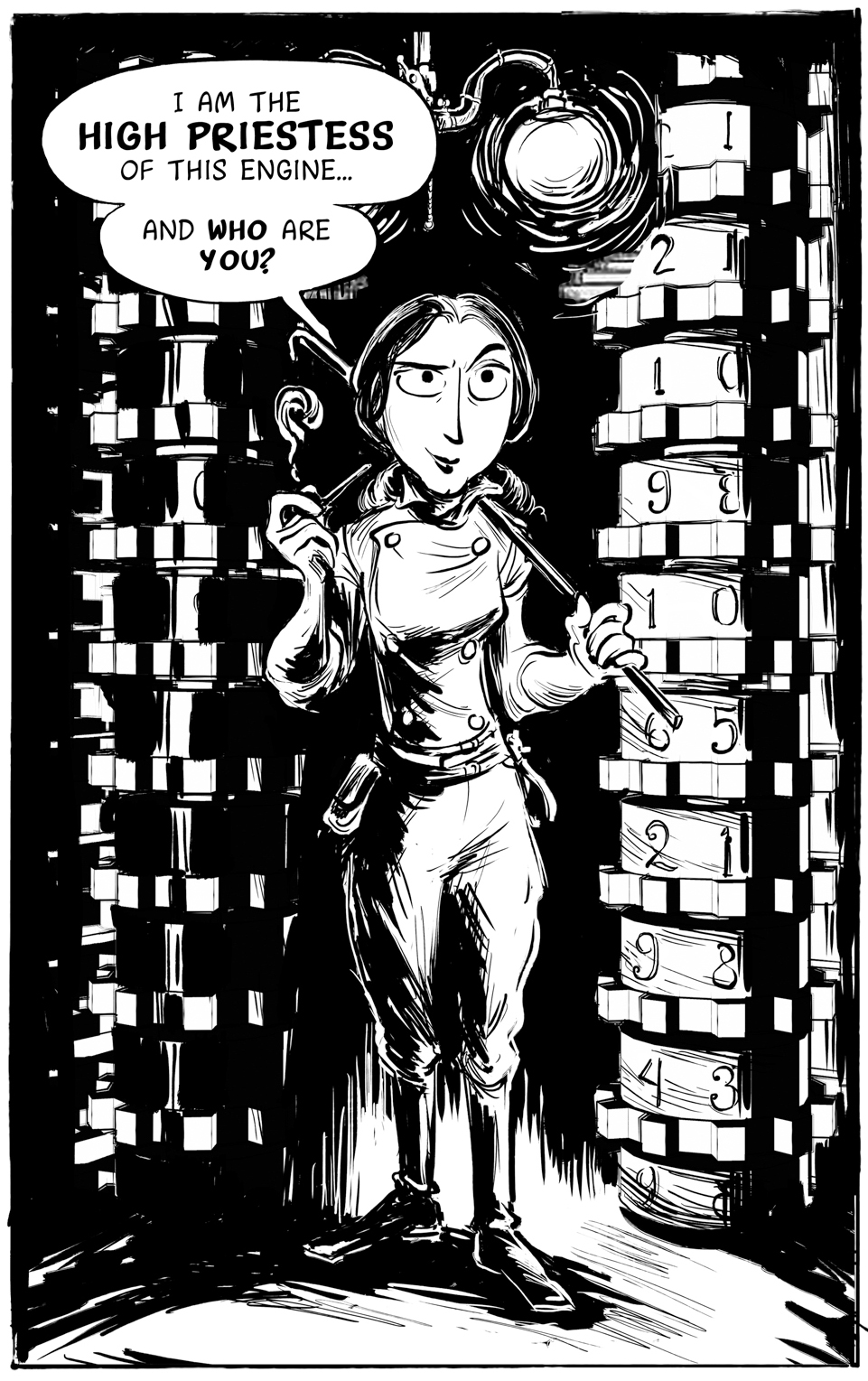
The Thrilling Adventures of Lovelace and Babbage is by far the most wildly fictitious of any of these books. Echoing the mathematical fantasy lands of Lewis Carrol (who based his Wonderland off of new mathematical theories at the time, by the way), this graphic novel imagines that Ada didn't die in childbirth and that the two actually build the first computer...and all of their resulting adventures. The book is chock full of wry, self-aware footnotes, complex mathematical concepts, and hilarious escapades.

Curriculum suggestions:

  • Elementary school: have an Ada Lovelace Day or Women in STEM celebration, using the picture books referenced. Or, compare and contrast the three biographical works— —to look at different methods of storytelling.
  • Late Elementary School/Middle School (English): using Ada's Ideas as an introduction to background information on Ada Lovelace, have students read The Wollstonecraft Detective Agency to talk about the difference between speculative fiction and historical fiction, and to serve as a launching point to talk about notable literary figures of the time: Mary Shelley, Percy Bysshe Shelley, Lord Byron, etc.
  • Late Elementary School/Middle School (Science): using Ada's Ideas to introduce Ada Lovelace, hold a class discussion about the historical role of women in STEM. Require students to choose a female scientist profiled in Headstrong, and have them do a short report/class presentation (a couple of pages and a couple of minutes, respectively). The students could all present on one day, as a Women in STEM celebration day, or the report presentations could be a regular fixture in the class schedule—say, one person presents their report each Friday morning.
  • High School (Math): use excerpts from The Thrilling Adventures of Lovelace and Babbage (using a document camera) to teach specific math concepts (say, imaginary numbers), and use the book as a reward for good behavior—read excerpts to the class when they finish their work early, or allow students to individually read the book if they finish their test/assignment early. 

Why is this important?


Firstly, this provides a chance to share the stories of women in STEM who have had their achievements forgotten, or, in some cases, even stolen from them—an occurance so common that there's a specific term for it, the Matilda effect. Additionally, in case you aren't aware of the gender gap in STEM, only 24% of STEM jobs are held by women (who make up 48% of the general workforce). One of the best ways to get little girls interested in STEM fields is to show them that women have contributed to the sciences, and that they, too, can be scientists. They can succeed in science, because these women have succeeded already.

Are there any Ada Lovelace books I missed out on, or some other great books about women in STEM? Let me know in the comments, or tweet me @YALiTFrenzy on Twitter.

Carolyn is a teen blogger who shares her favorite YA reads and favorite book related finds with readers on Fridays.

Artword by Sarah S. Brannen ©2017

Don't forget to link up your nonfiction reviews...

Blog Tour: It's Not Jack and the Beanstalk - Interview with Author Josh Funk of

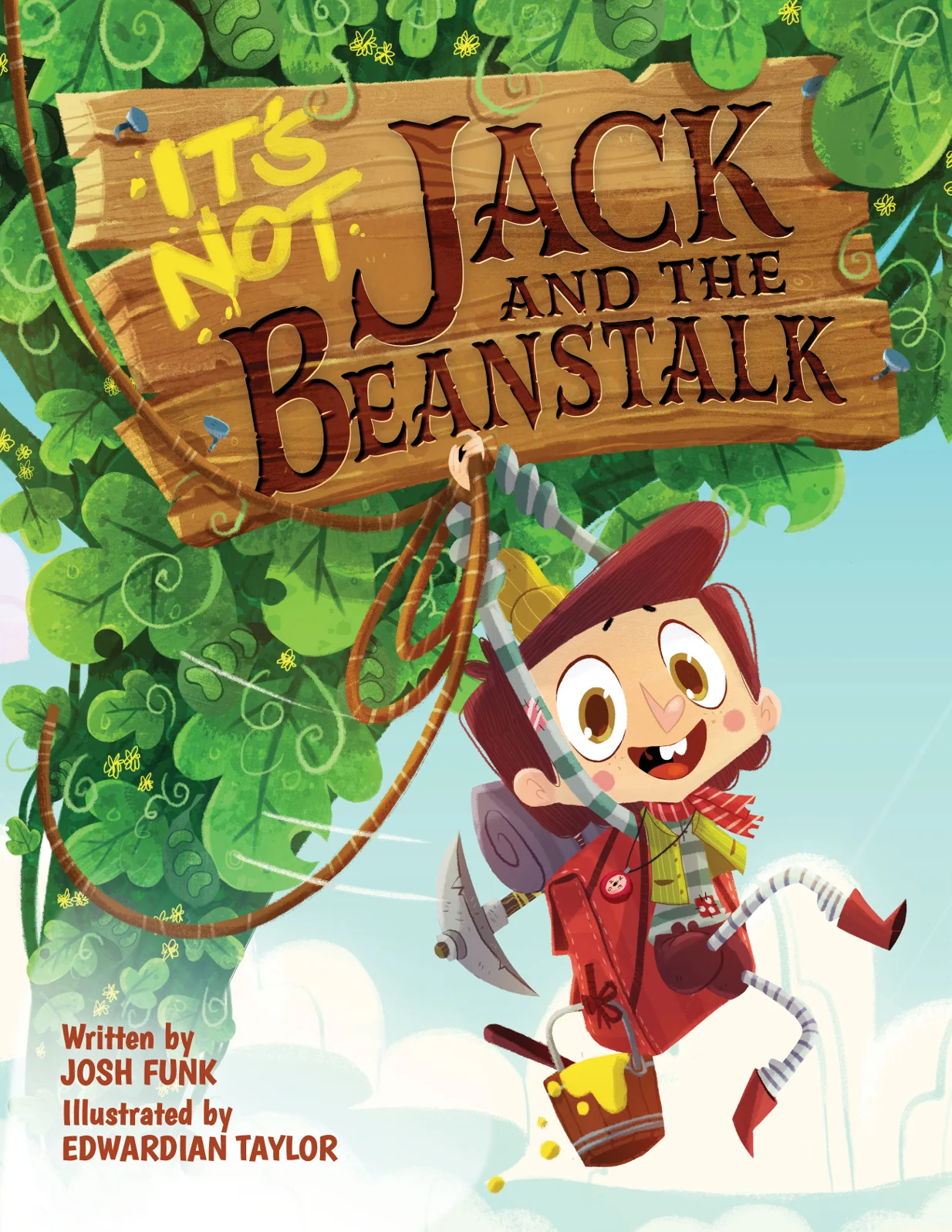
The wonderful and funny Josh Funk joins us today to celebrate the release of his newest book IT'S NOT JACK AND THE BEANSTALK. Thank you Josh for answering a few questions and sharing about your new book. 

Thanks, Alyson, for having me. I’m a big fan of your site and have been for years (as I think you know). I think the work you do for the world of children’s literature and for children and educators is invaluable - and I think I can speak for all book creators when I say, “Thank you!”

1. It's Not Jack and the Beanstalk is a fun variation on the original story. Since there are a lot of fairy tales, how did you decide on this particular one? Will there be more variations on other fairy tales?

I actually put a good amount of thought into which fairy tale I wanted to play with. It had to be familiar enough for the majority of readers so they’d know things weren’t going according to plan. For example, I probably couldn’t have used Hans My Hedgehog as it isn’t that well-known despite being part of the Brothers Grimm collection (there is a cute picture book version retold by Kate Coombs and illustrated by John Nickle, for what it’s worth).

But I also knew that I didn’t want to go with Little Red Riding Hood, The Three Little Pigs, or Goldilocks and the Three Bears, as there are already sooooo many great retellings and fractured versions of those stories in the picture book format.

So I was really deciding between two: Jack and the Beanstalk and Hansel and Gretel. There are certainly some retellings of each - but I found there were fewer (and probably for good reason - it’s really hard to get around the violent deaths of the villains in those two).

You can probably now guess the answer to the second part of your question. It’s Not Hansel and Gretel will be coming out sometime in 2019. Illustrator extraordinaire, Edwardian Taylor is already hard at work on it!

2. I loved that the book didn't quite go like I thought it would. I also enjoyed the narrator's interaction with the characters. Did the story turn out like you intended or did the characters surprise you?

I’ve always thought about how many ridiculous and literally unbelievable things happen in fairy tales - and often how unintelligent the main characters are. For example, in the traditional tale of Jack and the Beanstalk:

●      Jack sells his cow for a handful of beans.

●      Jack decides to climb a beanstalk that grows into the clouds.

●      Jack thinks it would be a good idea to steal from a giant.

And so on.... Every fairytale has ridiculous things like this. (Little Red Riding Hood doesn’t recognize that the TALKING wolf she met in the woods earlier is dressed in her grandmother’s clothing despite noticing her enormous eyes and teeth? Come on!)

So I thought, “What if Jack had some common sense? What if he decided not to do what the storyteller said? What would happen then?”

And that’s what I wrote. At some point the story was bound to go completely off track. The characters certainly took over, but that’s exactly what I hoped would happen.

3. What is your favorite spread in the book and why?

One of my two favorite spreads is the second to last one, mostly because Edwardian Taylor went to town and had so much fun with - well, I wouldn’t want to spoil it.

My other favorite spread is when Jack sees the beanstalk for the first time and argues with the storyteller when he doesn’t want to climb it. Jack has so many great facial expressions which consistently crack me up.

4.  What tips would you give to teachers doing a writing unit on fairy tales with their students?

First let me say that I am not a teacher - so I am in no way qualified to suggest how a teacher should teach.

What I can suggest is to do what I did - think about what you would do if you were the main character in a fairy tale. Would you have followed the traditional story? Would you have done something differently? Would you have argued with the storyteller?

One thing that helped me while writing this was reading the story out loud in script form. My kids and I would share it with friends and at family gatherings - I played the role of storyteller while my kids played the roles of Jack and the Giant (so if the narrator comes across to you as a bossy parent - now you know why). Acting out the story really helped us get into character. Perhaps it would help students figure out how they’d act in certain situations if they were literally acting out the story. (note: this can be done in stories that aren’t fairy tales, too)

5. Letters from young readers (or questions during school visits) can be both emotional and/or humorous. Is there a particular favorite that sticks out and can you share it?

My favorite are the truly honest ones. Like the letters in this tweet shared by Tina Moricz, a third grade teacher in Tuscon, Arizona:

Logan thinks the story is weird. And Nico liked the part where Jack rhymed about the giant’s bum. Clearly, this classroom gets me (and they make me laugh).

In general, though, I love hearing that kids are excited about writing and reading after I meet with them, either in person or via skype. It’s so great that I can connect with so many classrooms using technology.

6.  Are there any other projects that you are working on that you can share with us?

2018 is going to be a pretty busy year. I’m fairly certain I will have four picture books out between May 1st and September 4th.

The first is called ALBIE NEWTON (Sterling, 5.1.18), illustrated by Ester Garay. It’s about smart and creative boy who starts school, but doesn’t really have all the social skills down yet. His grand attempt to make friends causes lots of problems for his classmates, and - well, you’ll have to read it to find out how it ends. But I think lots of kids will relate to Albie Newton and the other kids in his class.

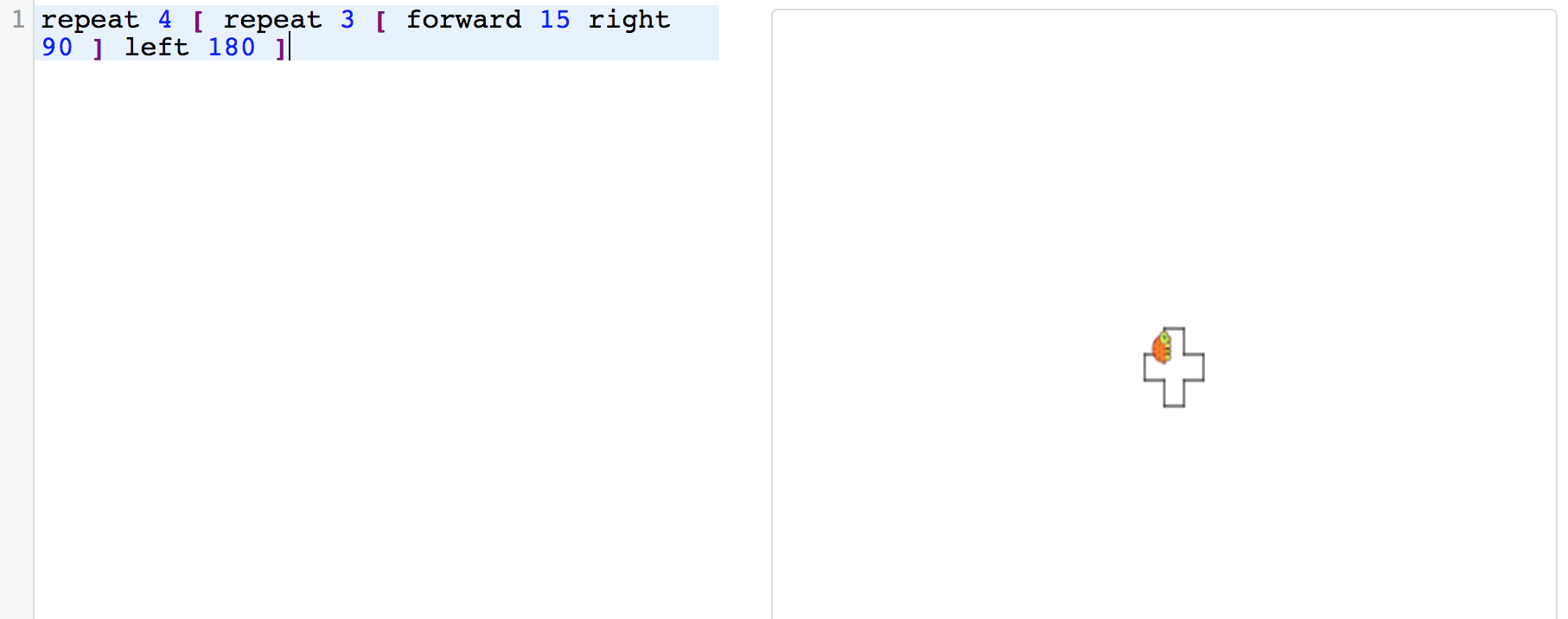
HOW TO CODE A SANDCASTLE (Viking/Penguin, 6.5.18), illustrated by Sara Palacios is being published in partnership with Girls Who Code - and I couldn’t be more excited about this one! It’s the first in a series of informational fiction picture books about a girl named Pearl and her robot, Pascal. In this first book, they use fundamental coding concepts to construct the perfect beach day using sequences, loops, and if-then-else statements - but using them in real world situations.

Later in the summer, I’ve got a book called LOST IN THE LIBRARY: A STORY OF PATIENCE AND FORTITUDE (Macmillan, 8.28.18), illustrated by Stevie Lewis. This is the first picture book about Patience and Fortitude, the two lion statues that faithfully guard the New York Public Library (in fact, this book is published in partnership with the NYPL). When Patience goes missing, Fortitude realizes that Patience has ventured inside the library. So for the first time ever, Fortitude abandons his post to search for Patience before the sun rises and we, the readers, get to explore the library for the first time alongside Fortitude.

And lastly (phew!), there will be a third book in the Lady Pancake & Sir French Toast series: MISSION DEFROSTABLE (Sterling, 9.4.18). In this action-packed adventure, the fridge is freezing over - and Lady Pancake and Sir French Toast have to travel to parts of the fridge they’ve never ventured ... and need to enlist the help of one of their fiercest rivals. Dun. Dun. DUN!

7.  What is your favorite Indie Bookstore and why do you love it?

In New England, I’m so fortunate that we have a plethora of independent bookstores. I have so many favorites and I could never pick just one, so let me share the one that I can walk to within ten minutes of my house: The Concord Bookshop. They have a fabulous kids’ section in the back, friendly booksellers, and a terrific bookstore smell. Plus, if you walk out the back door, you’re only ten steps away from my favorite coffee shop, Haute Coffee (yes, I can pick a favorite coffee shop).

8. My niece has dressed up as a "Jack" (Lumber Jackie, Jack-In-the Box, Jack & Jill sans Jill, etc.) for the past several Halloweens. We were talking about her dressing up as Jack from Jack and the Beanstalk. Any recommendations on costume ideas? :-)

Start with a very sassy attitude. And definitely bring some sort of axe. Perhaps find some ivy to tangle around you like parts of the beanstalk? Do you know anyone who has a harp that magically plays by itself? And also, walk beside a really really REALLY tall person. If I think of anything else in the next month, I’ll let you know.

Thanks so much for inviting me to your site, Alyson! I really appreciate it!

Check out the book trailer:

About the author: Josh Funk writes silly stories and somehow tricks people into publishing them as books - such as Lady Pancake & Sir French Toast and its sequel The Case of the Stinky Stench along with It's Not Jack and the Beanstalk, Pirasaurs!, Dear Dragon, and the forthcoming Albie Newton, How to Code a Sandcastle (in partnership with Girls Who Code), Lost in the Library: A Story of Patience and Fortitude (in partnership with the New York Public Library), and more coming soon!

Josh is a board member of The Writers' Loft in Sherborn, MA and was the co-coordinator of the 2016 and 2017 New England Regional SCBWI Conferences.

Josh grew up in New England and studied Computer Science in school. Today, he still lives in New England and when not writing Java code or Python scripts, he drinks Java coffee and writes manuscripts.

Josh is terrible at writing bios, so please help fill in the blanks. Josh enjoys _______ during ________ and has always loved __________. He has played ____________ since age __ and his biggest fear in life is being eaten by a __________.

For more information about Josh, visit www.joshfunkbooks.com or @joshfunkbooks on Twitter.

About the illustrator

Edwardian Taylor currently works as a visual development artist and character designer for TV and animation feature film. His work can also be seen in mobile games, films, and commercials. He is the illustrator of the picture book Race!, written by Sue Fliess. Edwardian lives in Texas with his partner, their three dogs, and seven chickens. Learn more about him at www.edwardiantaylor.com, and follow him on Twitter and Instagram @edwardiantaylor.

Giveaway!
Two Lions is offering one copy of IT’S NOT JACK AND THE BEANSTALK to one lucky winner (U.S. addresses).