Nonfiction Picture Book Wednesday: What are you reading? Nonfiction Edition

Every once in awhile, I like to do a nonfiction version of What are You Reading? This week I am sharing five titles that jumped out from the stack. 
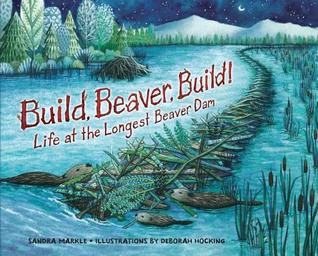
Build, Beaver, Build! Life at the Longest Beaver Dam by Sandra Markle; Illustrated by Deborah Hocking (Millbrook Press, January 1, 2016) - I am a big fan of Sandra Markle and love her animal stories. I learned new things about beavers from reading this one. Resources at the end include additional beaver facts, additional websites and books to check out, and a short author's note. This will be a fun read aloud in second and third grade. 
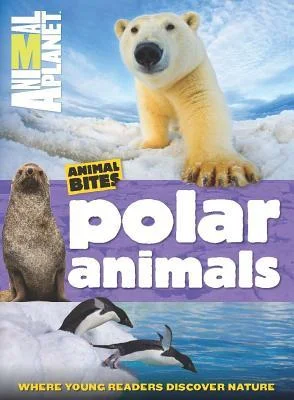
Animal Planet Polar Animals (Animal Bites Series) by Laaren Brown/Animal Planet (Animal Planet, March 1, 2016)
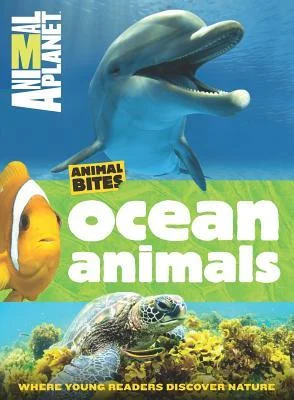
Animal Planet Ocean Animals (Animal Bites Series) by Laaren Brown/Animal Planet (Animal Planet, March 1, 2016) 

Both the above books are produced by Animal Planet and contain fabulous photographs and lots of great facts.
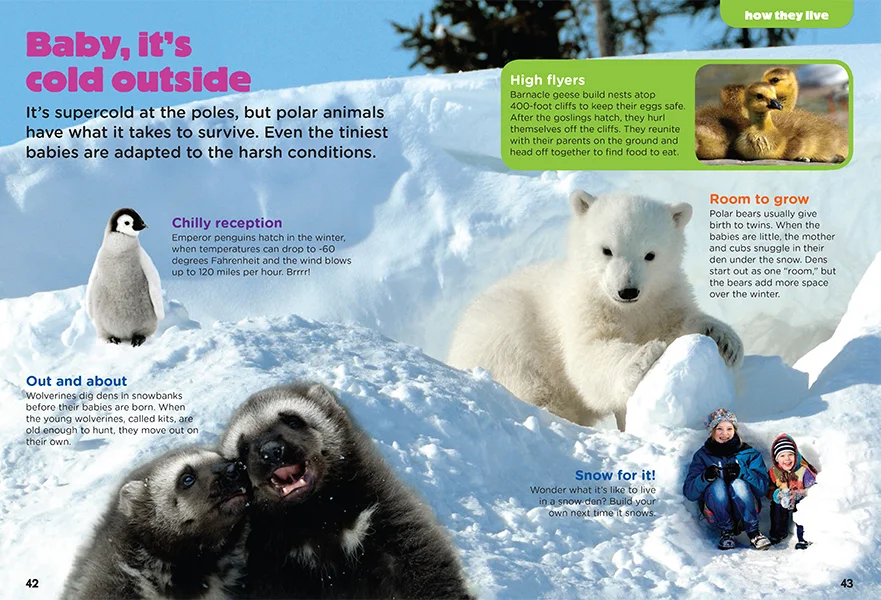
These books tend to be popular books that students share with a peer or two as they read. 
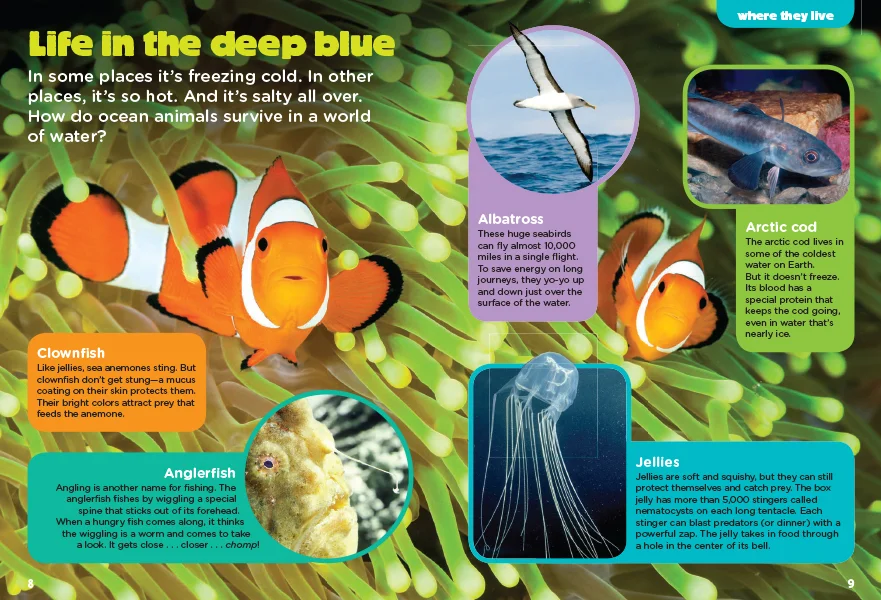
There is an excitement as they share new information and facts learned with friends and often checked out of a classroom or school library.

Interior Spreads Credit
From ANIMAL PLANET ANIMAL BITES: POLAR ANIMALS and ANIMAL PLANET ANIMAL BITES: OCEAN ANIMALS
by Laaren Brown; published by Liberty Street, an imprint of Time Inc Books
© 2015 Discovery Communications, LLC
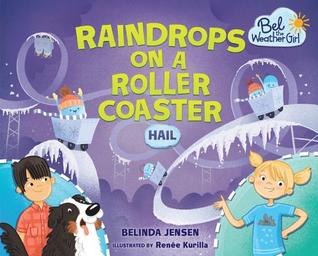
Raindrops on a Roller Coaster: Hail (Bel the Weather Girl) by Belinda Jensen; Illustrated by Renée Kurilla (Millbrook Press, March 1, 2016)
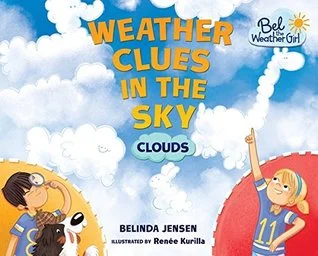
Weather Clues in the Sky: Clouds (Bel the Weather Girl) by Belinda Jensen; Illustrated by Renée Kurilla (Millbrook Press, March 1, 2016)

Bel the Weather Girl is a new series published by Millbrook Press with six titles released at the beginning of March. They are available in both paperback and library binding versions.  Though I only read the two listed above there is a clear formula to the series. The story is told through the point of view of Bel, a young girl who loves weather and has a meteorologist for a mom. The narrative story has weather related facts and vocabulary in boxes woven across the pages. In the book about HAIL, I was excited to discover that if you cut a large hailstone in half you can see rings inside. The end resources include a glossary, further resources to learn more about hail and clouds, and a simple experiment to try with kids. This series can be read aloud to a class of second or third graders or used at home by a parent and child. 

All five books would be nice additions to classroom or school libraries and worth tracking down at your local bookstore or public library. 
Don't forget to link up your nonfiction reviews


Between Picture Books and Middle Grade Novels: Early Readers and Leveled Books

Last week, I began a blog series about Early Readers and Early Chapter Books. Much of my reflection on early readers and early chapter books come from working with young children in kindergarten to second grade and the teachers that teach them on a daily basis. In an effort to better support teachers in the instruction of reading and create children who love to read, I want to assist teachers to feel more confident in selecting the right book for a student without feeling the need to mark every book with a number or letter. 

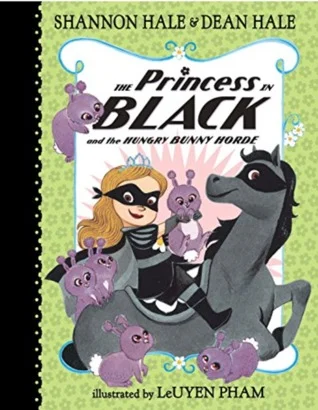
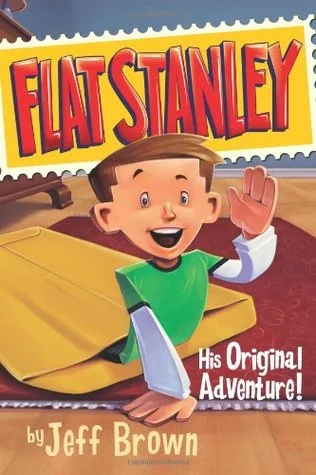
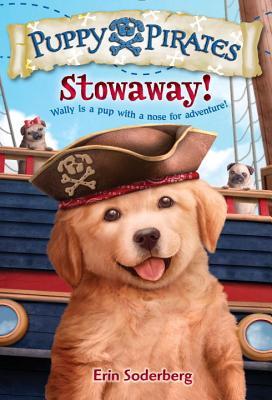
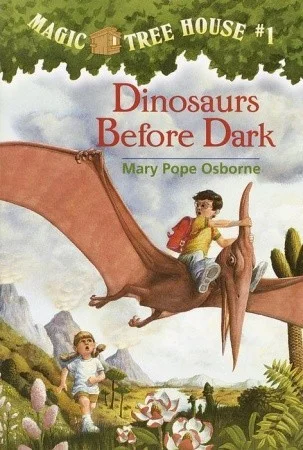
What do the following books have in common? 

According to Scholastic's Book Wizard App, each of the above books fall within the Guided Reading Text Levels of K to M. I was a bit surprised by this. I was especially surprised that Shannon Hale's The Princess in Black and Erin Soderberg's Puppy Pirates both were considered guided reading levels M. Aside from very different topic/interest levels, the format of these books are very different making them a better match for very different readers at different levels. If I hadn't read each of these books and just marked them with a letter based on an app, I might face some challenges when selecting books for students. 

Now what do these books not have in common?

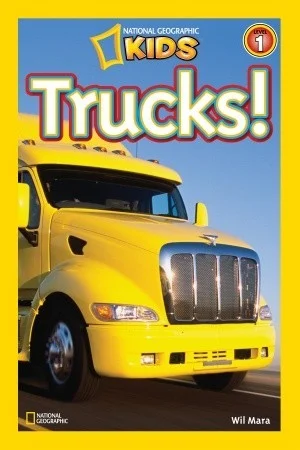
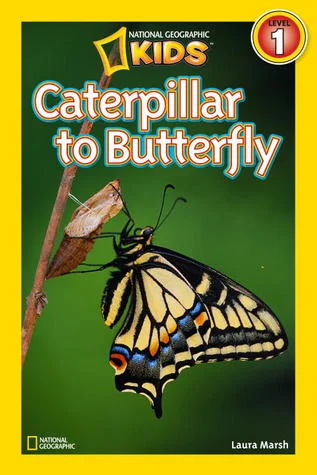
Both are Level 1 Early Readers published by the same publisher. However, the TRUCKS book clocks in at a Guided Reading Level J and CATERPILLAR TO BUTTERFLY is a Guided Reading Level R. Again, they may be marked the same level by the publisher but they are really different books for different kinds of readers.

Now let me state a few disclaimers. First, all of the books listed above are good books and I have no issues with any of them. Second, I have selected to use Fountas & Pinnell Text Levels since I am familiar with and have administered the Fountas & Pinnell Benchmark Assessment System.  Next, I have chosen to use the Scholastic Book Wizard to check on the guided reading level of books listed in this post since this is an app that is frequently used by teachers. Finally, I am not addressing Accelerated Reading Levels or Lexile Levels (that is for another day, another post). 

What implications does this have on matching children with books and the desire to level a classroom library? The best thing I can say is proceed with caution when looking at levels provided by a publisher or an app.  Understanding how text size, number of pages, type of illustrations, format, vocabulary, and topic determines what child to match with what book is a better place to start. 

Stop by next week as we dive in and explore more about the characteristics of readers and books at various levels. 

Between Picture Books and Middle Grade Novels: Books for New Readers

Picture books have many followers. Whether you read picture books to young children, or appreciate them for their incredible artwork, or admire the format for any numerous reasons, picture books have a significant role in the world of children's literature. Middle Grade novels (typically for children ages 8 or 9 and up) can be just as powerful or lyrical as any adult novel. However, what about books written in a very specific manner for young children who are learning to read? Do they deserve incredible writing and powerful stories? And if so, how do you manage it with controlled vocabulary, limited sentence structure and 32 pages (or 48, or 72 pages)? 

Over the past several months, I have been diving into early readers and early chapter books. I have been thinking about what makes an early reader different from an early chapter book different from an early middle grade novel? How do teachers and parents avoid the trap of depending on a level or a number placed on a book to match a child with a book? 

This is just the first of multiple posts where I will explore and highlight early readers, early chapter book, and early middle grade novels with the hope of spotlighting some must reads for Kindergarten to Third graders. Today's post looks at a few trends.

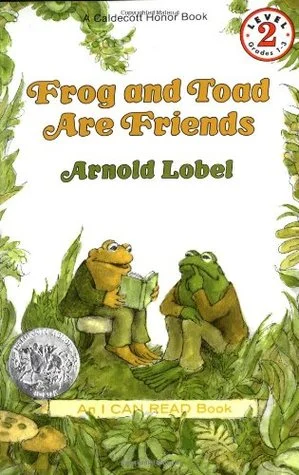
What makes a book like Frog and Toad stand out from all of the others and maintain a level of popularity for so many years? And how can writers learn from these stories as they craft new ones?

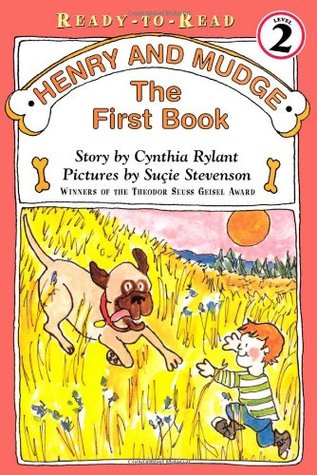
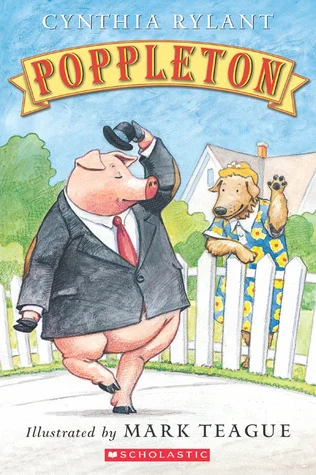
Cynthia Rylant has written dozens of early readers/chapter books that have also stood the test of time.

Poppleton

Another trend I have noticed has been the spin-offs from popular series.

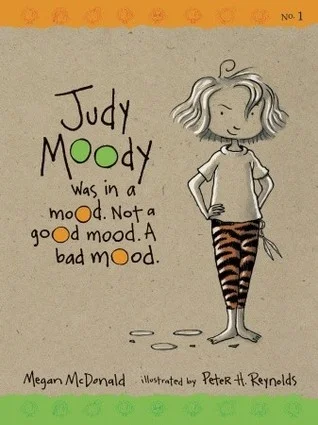
First you have an early middle grade series such as Judy Moody

Next comes a spin-off, Stink, geared for a slightly younger audience.

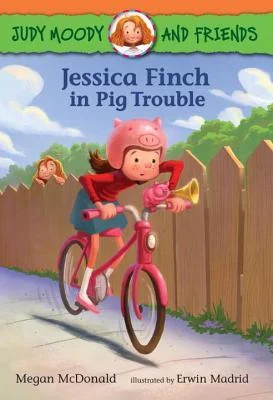
And now there is an early chapter book series featuring Judy Moody and Friends

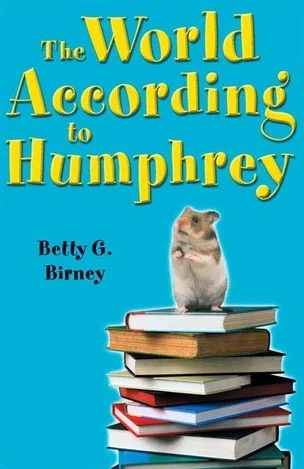
Another trend is to take the same characters and setting, but reduce the number of pages and complexity.  Betty Birney's The World According to Humphrey has approximately 140 pages and is typically popular with second grade readers. 

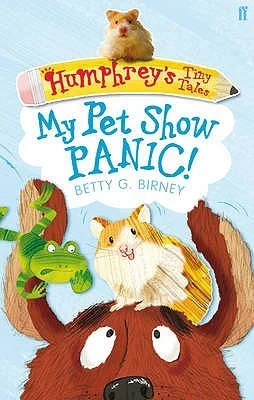
Birney's Humphrey Tiny Tales have the same characters and setting as the original series but clocks in at approximately 112 pages with slightly larger font and simpler text. 

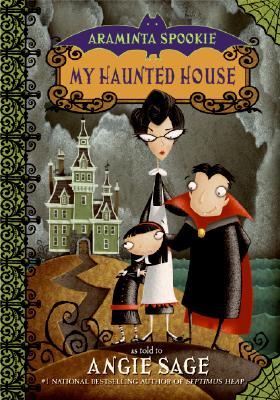
Of course there are times when series go in the opposite direction. Angie Sage's Araminta Spookie series in paperback started out as 130 pages in length. 

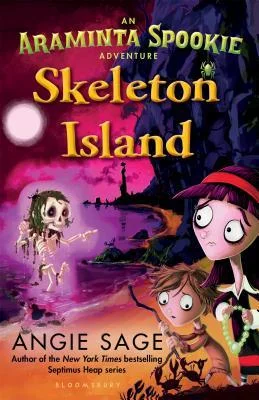
However, the newest book, Skeleton Island, in hardcover appears larger and has an increase in pages and gives readers the sense of reading a bigger and longer book.

What questions do you have about early readers and chapter books? What series have you found that students love? Any trends that you have noticed? Check back in on Thursdays for spotlights on early readers and chapter books.