Nonfiction Picture Book Wednesday - Nonfiction Series for Early Readers

Discovering new nonfiction that I can use with students and share with teachers has become a little bit of an obsession with me. When I find something and I realized that it came out in a previous year, my initial question is "how come I didn't know about this"? Rationally, I know that I can't account for every nonfiction book that is released in a given year, but with all of the time I spend searching for it, you would think there would be no surprises.

This past Saturday, I attended the Southern California Independent Booksellers Association (SCIBA) Children's Literacy Day. One of the sessions was called Kid's Rep Picks. Four publishing reps selected specific titles to book talk to the audience. Simon & Schuster Rep, Kelly Stidham, talked about the Science of Fun Stuff series. Of course, my ears perked up at this.  In addition to being nonfiction, they were early readers. I am always on the look out for early readers that are well done and appeal to kids. 

Imagine my excitement at all of this early reader goodness...

Simon and Schuster's new Science of Fun Stuff series was recently released with The Innings and Outs of Baseball and The Thrills and Chills of Amusement Parks by Jordan D. Brown.

Here are some of the images and resources found within the text

Newton makes more sense when you pair his theories with real life examples. 

One of the resources at the end of the book is a timeline.

At the end of Innings and Out of Baseball, readers get an explanation of how an arm works in order to throw a ball.

Thrills and Chills of Amusement Parks

Colorful cartoon-like images paired with humorous, informative text will draw in readers.

At the end of each book, there is a Science of Fun Stuff expert page. 

One of the resources at the end of the Thrills and Chills of Amusement Parks is the Geography of Amusement Parks spread.

As I was looking for more information about the Science of Fun Stuff, I discovered another series published by Simon & Schuster called the History of Fun Stuff

It appears that Simon and Schuster began with the History of Fun Stuff series in 2014 and will be releasing more in this series in 2015.  

Here are a couple of interior spreads from The Sweet Story of Hot Chocolate:

An interior spread of some of the text from the early reader about hot chocolate.

foodsspread.jpg

An example of some of the additional information included at the end of the book.

Another series to keep an eye out for: Women Who Broke The Rules (Bloomsbury, May 2015)

In May 2015, Bloomsbury Publishers will release a new series called Women Who Broke the Rules by author, Kathleen Krull.  Similar in length (48 pages) to an early reader, these books are more like a chapter book in shape and style. The text will draw readers in and encourage them to seek out additional materials on these four women. I look forward to seeing the finished version of these books later this spring. 

Don't forget to link up your nonfiction reviews:

Falling in Love with Nonfiction

Often, I am confronted with teachers who are tasked with teaching children to read but who do not read children's books. However, more often, I see teachers who may have some understanding of fictional texts but limited to no real understanding of nonfiction books. I was that teacher at one point, I did not understand children's nonfiction and didn't really see a need to grow in that area. 

My reading life started when I was in third grade. I loved historical fiction, mysteries, and fantasy. As a child, I read very little nonfiction. It seemed boring and uninteresting. In my teens, I started reading biographies and some fact books on things I was curious about. In college, when I wasn't reading textbooks for classes, I returned to mysteries, and historical fiction, and fantasies. After college, I started reading more nonfiction, but it was driven by things I was interested in. Books on leadership, or cooking manuals, or photography, or other interests and hobbies. Nonfiction was a means to an end and not something I read for relaxation and enjoyment.

In 2010, I discovered some wonderful children's nonfiction and I began flirting with it. A little here and a little there. Mostly picture books, and mostly the books that read like fiction, which meant mostly biographies and books about historical events. 

In 2012, I started the nonfiction picture book challenge to try and fill in an obvious book gap that I had. As I look through my GoodReads Shelf for that challenge, I still read a lot of biographies, and historical events, but now there were books about animals and poetry that had a very evident nonfiction focus. 

In 2013, it was pretty much the same as the previous year. However, in 2014, through conversations with other teachers and nonfiction authors on Twitter, I truly stretched myself and started reading more widely to fill in my book gaps within nonfiction. It was also at that time that I was trying to tackle a few challenges with reading comprehension and the classrooms that I was working with.  Could I combine my love for nonfiction books that I was reading with lessons that I was doing? Could I use these books to help support learning for students who were English Language Learners? More about that later in this post.

What started out as a curiosity has turned into a full blown love affair over the past five years. It didn't start because of some Federal legislation said that children needed to read more nonfiction or complex texts. Instead, I simply found that I was enjoying what I was reading. Sure, it was also nice that nonfiction was enjoying it's own little renaissance as a result of Common Core State Standards (CCSS) and the Next Generation Science Standards (NGSS). This only meant that there would be more books published and in turn the quality of children's nonfiction seems to be evolving as well. Certainly, not a bad thing for readers or writers. 

Additionally, as I grew in my love for nonfiction, it spilled out. My excitement propelled me to share what I was reading with other teachers and with students. Isn't that what we do with books? Share what we love?

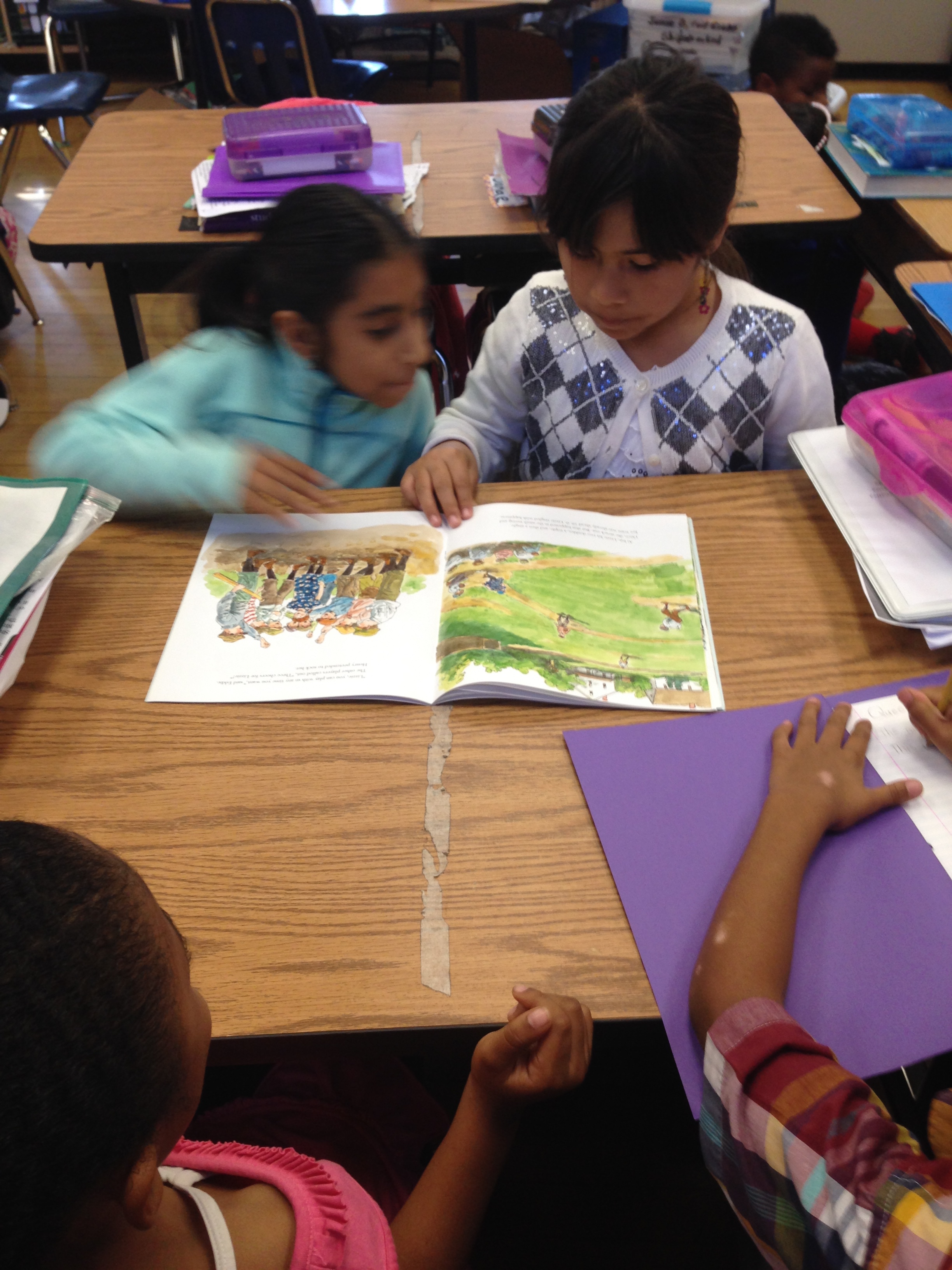
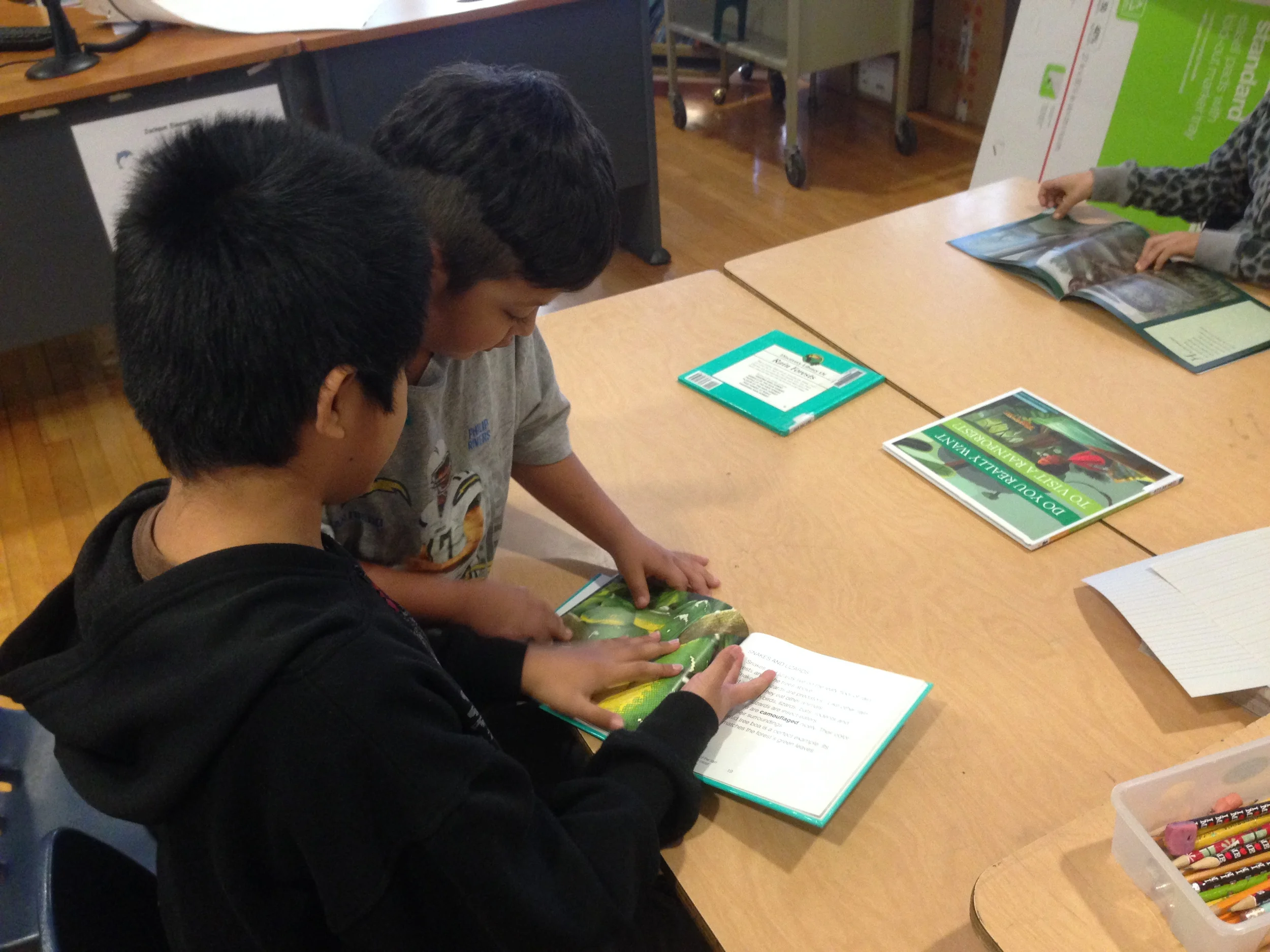
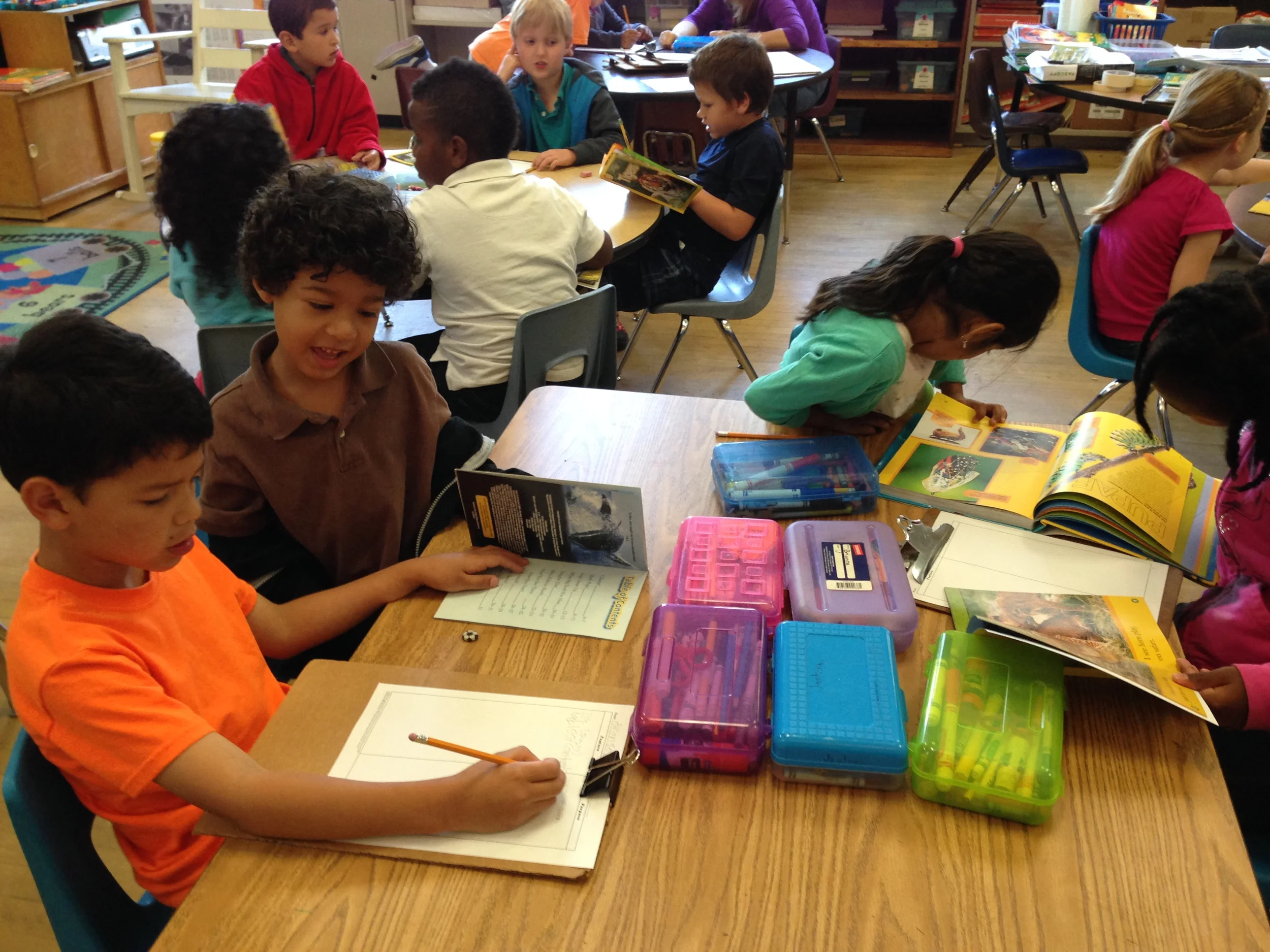
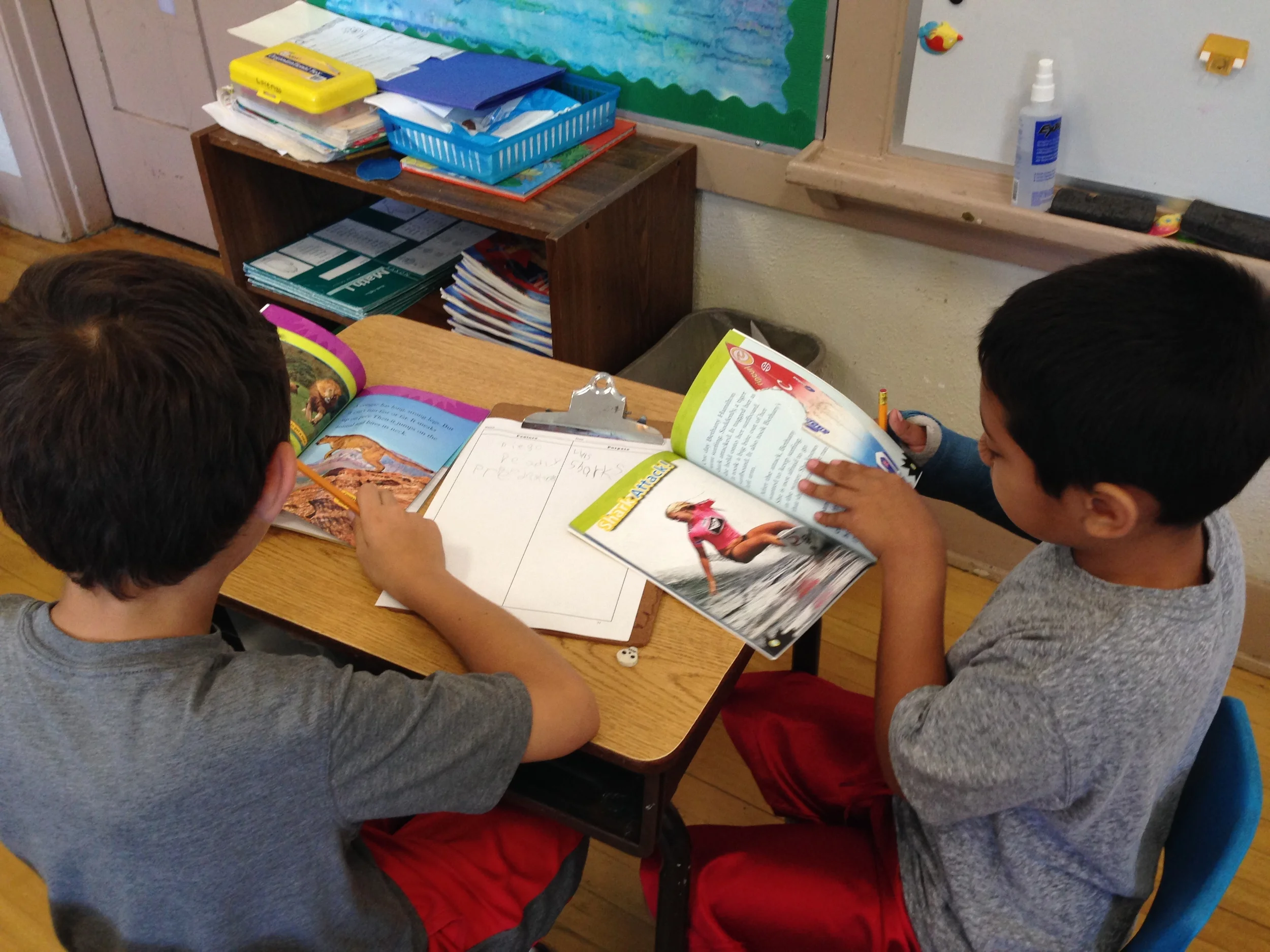
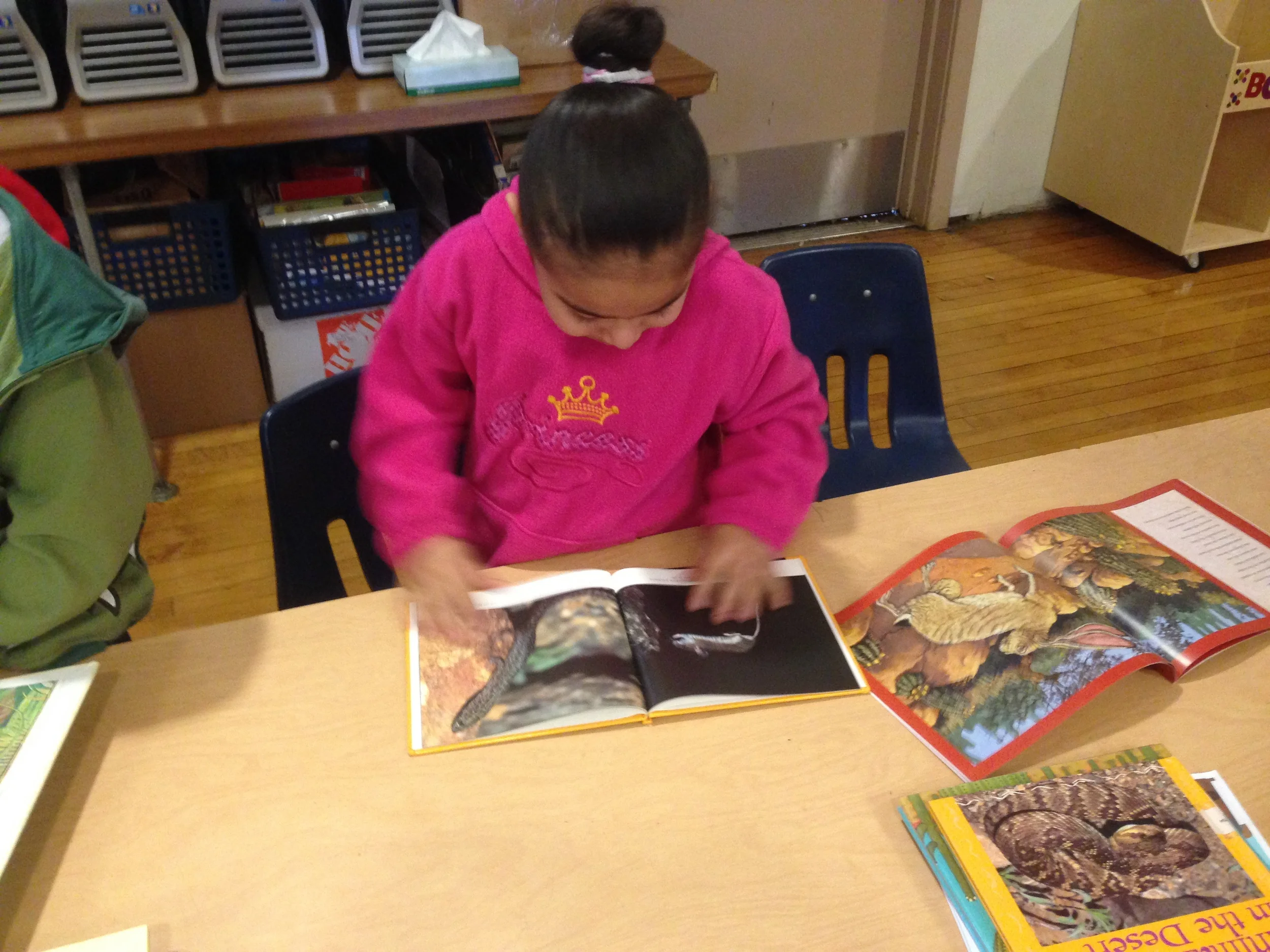
Another discovery, as I shared my love for nonfiction books with students, they loved them as well. These books naturally encourage discussion, thinking, and collaboration. As students learn some new fact, they want to tell someone else. The illustrations or photographs elicit responses and draw in others. Before you know small clusters of students are discussing what they are reading and seeing in a book and comparing with other students what they have learned from their book. Isn't this what we want children to do? 

Nonfiction exposes children to new vocabulary and concepts that they may not have heard at home or in class or even in a novel. For English Language Learners, this opportunity to increase vocabulary and do it in a meaningful and fun way is another definite plus of nonfiction.

I am still working to understand nonfiction. I am learning more and more about writing styles and how author's purpose influence writing style. How might I help students read nonfiction in a way that will provide them with greater understanding of the book that they are reading so that they can enjoy it even more? How can I help them engage with the text and apply it to other areas of learning? 

Though I still am a big fan of novels, I have learned to make room in my reading life for nonfiction for both enjoyment and knowledge. Hopefully, as I continue on my reading journey others will continue to come along and we can learn from each other.  I want to thank Carrie Gelson for teaching me more and more about how to best use nonfiction in the classroom as she shares what she does with her students, and to Melissa Stewart for the many times that she has gone back and forth with questions and thoughts that I have about nonfiction text as I work out new understandings and how to apply them to teaching. Without the two of them, I know I would not have grown as much as I have this year.  I also want to thank everyone who participates weekly in the Nonfiction Picture Book Challenge (#nfpb2015). I learn from each of you as I look at your book selections and hear how you are using these books with your students.